
Guides → AREAS
AREAS
Aruba, Area by Area: Where to Buy
Aruba is small, 20 miles end to end, but where you buy changes everything: your budget, your rental income, whether you hear surf or roosters in the morning. Here's the whole island, honestly, from the people who spend every winter walking it.
By Jakob Jakubov, every winter on Aruba since 2021 · Updated August 2026 · 9 min read
The short version
- Rental-yield buyers gravitate to Palm Beach: high-rise condos, walkable, the strongest short-term rental market on the island.
- Quiet luxury lives at Eagle Beach and Malmok: low-rise, higher entry price, less rental churn.
- Actually living here? Noord is where most expats settle: houses and villas, five minutes from the beach strip.
- Cheapest entry is Oranjestad (the capital) and the south (Savaneta, San Nicolas) where you trade tourist convenience for local life.
- Price band across the island runs roughly $180k–$4M+ depending on where and what.
How to think about Aruba's map
Most people picture Aruba as one beach. It isn't. The island has a personality split you feel within a day of driving it.
The northwest corner, Palm Beach, Eagle Beach, Noord, Malmok: is where the tourism economy lives. Resorts, restaurants, the big supermarkets, the short-term rental money. This is where roughly nine out of ten foreign buyers end up, and prices reflect that.
The capital, Oranjestad, sits in the middle of the south coast: colonial pastel buildings, cruise ships, a working town that empties of tourists by evening.
The south and east, Savaneta, Pos Chiquito, San Nicolas: is the Aruba locals live in. Slower, cheaper, more Papiamento than English, waterfront that nobody's marketing to you. Some of our favorite corners of the island are down here, and almost none of them are on a foreign buyer's radar.
Nothing on the island is truly far. From Palm Beach to Savaneta is a 25-minute drive. So "which area" is less about logistics and more about the life you want when you close the door behind you.
Want this whole picture in one file? The Aruba Forever Buyer's Guide maps every area with price bands and a land-lease overlay. → Send it to me
The master comparison
| Area | Vibe | Typical price band | Best for |
|---|---|---|---|
| Palm Beach | High-rise, resort, walkable, busy | $300k–$1.5M (condos) |
Rental yield, lock-and-leave |
| Eagle Beach | Low-rise, iconic beach, quiet luxury | $500k–$3M |
End-users wanting the best beach |
| Noord | Residential, villas, expat heart | $350k–$1.5M (houses) |
Living here full/part-time |
| Malmok | Upscale coastal, snorkeling, villas | $700k–$4M |
Waterfront villa buyers |
| Oranjestad | Town, colonial, cheaper entry | $180k–$700k |
Budget entry, town lovers |
| Savaneta | Old fishing village, local, slow | $250k–$1.2M |
Quiet life, waterfront value |
Bands are placeholders we re-check every winter against active listings and closed sales. Treat them as orientation, not quotes.
Want these numbers for YOUR budget? Tell us type, price and timeline and we'll show which areas actually fit. → 60-second match
Palm Beach, the high-rise strip
If you've seen a postcard of Aruba's hotel zone, that's Palm Beach: the string of high-rise resorts, casinos, the palapa-lined sand, restaurants you can walk to. It's the loudest, most commercial part of the island, and the strongest rental market by a distance.
Condos here rent themselves. If your goal is short-term rental income and a place you can lock and leave, this is the obvious start. You pay for it in price per square foot and in HOA fees, and you'll never quite escape the tourist churn. Best for: yield buyers. → Read the Palm Beach guide
Eagle Beach, low-rise and iconic
Ten minutes south and it's a different island. Eagle Beach is the wide, low-rise beach: the one with the fofoti trees that end up on every "world's best beaches" list. Building height is capped, so there are no towers, more space, more calm.
You pay more for less density. It attracts end-users and higher-end buyers who want the beach without the Palm Beach crowd. Best for: quiet luxury near the best sand. → Read the Eagle Beach guide
Noord, the residential heart
Noord is the district wrapped around Palm Beach, and where a real slice of Aruba's expats actually live. Not a beach strip: neighborhoods. Houses, villas, gated communities, the big supermarkets, a good vet, the everyday island.
You get more house for your money here than on the sand, and you're still five minutes from it. If you're moving to Aruba rather than buying an income unit, Noord is usually the honest answer. Best for: living here. → Read the Noord guide
Malmok, upscale coast
North of Palm Beach the road narrows toward Malmok and Arashi: low, expensive, coastal. This is villa country: snorkeling straight off the rocks, calm water, some of the best streets on the island. A chunk of it sits on land lease, and locals don't blink at that.
Entry prices are high and inventory is thin. Best for: waterfront villa buyers. → Read the Malmok guide
Oranjestad, town living
The capital is the island's one genuinely urban option: Dutch-colonial facades in candy colors, the harbor, restaurants that serve locals as much as cruise passengers. You can buy a townhouse or apartment here for meaningfully less than on the beach.
The trade is obvious: you're in a town, not on the sand, and it can feel quiet once the cruise ships leave. Best for: budget entry and town people. → Read the Oranjestad guide
Savaneta, the quiet south
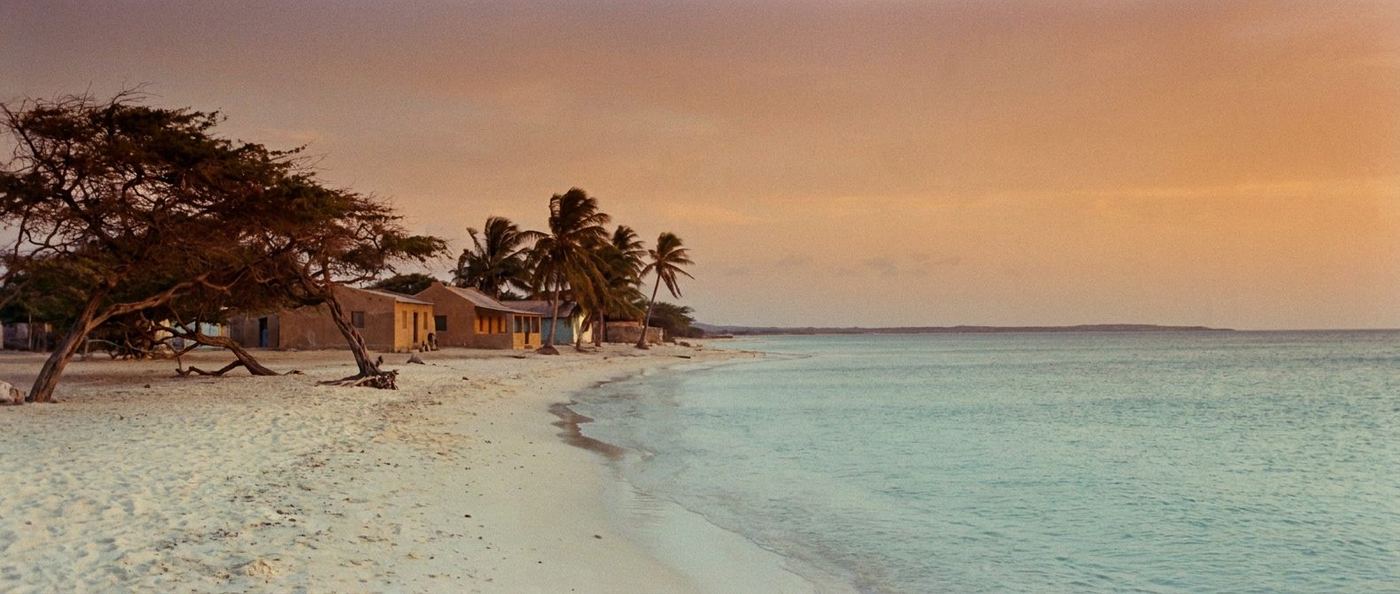
Aruba's oldest village, and its former capital, is a low-key fishing community strung along the south coast. Waterfront that costs a fraction of the northwest, fishermen's piers, a couple of legendary restaurants, and a pace that's decades removed from Palm Beach.
This is where you buy if you want the real island and don't need tourists at your door. Best for: a slower, local life. → Read the Savaneta guide
Freehold vs. land lease, by area
You'll hear these two words constantly. Freehold means you own the land outright. Land lease means the land belongs to the government (or occasionally a private owner) and you hold a long, renewable lease on it, paying an annual fee.
Neither is a red flag on its own. What matters is the remaining term and the fee. But the tendency does vary by area:
- Palm Beach / Eagle Beach condos, the building often sits on land lease; you own the unit. Normal here.
- Noord, a mix; plenty of freehold in the newer developments.
- Malmok, some of the best coastal streets are land lease. Locals buy them happily.
- Oranjestad / Savaneta, more freehold, more variation, more homework.
Get the specifics on any property before you fall in love. Our full explainer covers exactly what to ask: Freehold vs. land lease.
Where you buy on Aruba isn't about the beach. It's about who you want to be when you wake up here.
How to actually choose
Three questions cut through most of it:
- Income or lifestyle? If the property has to earn, start at Palm Beach. If it's for you, look everywhere else first.
- How much island do you want? More tourists and convenience = northwest. More local life and value = south.
- Full-time, part-time, or lock-and-leave? Villas need care and a person on the island. Condos with an HOA look after themselves.
Answer those and the map narrows fast.
Common questions
Where's the best place to buy for rental income on Aruba?
Palm Beach, comfortably: it has the deepest short-term rental demand and the most turnkey condo inventory. Eagle Beach and Noord also rent well. The south rents far more thinly.
Where do expats actually live on Aruba?
Mostly Noord, and to a lesser extent Eagle Beach and the quieter parts of Oranjestad. Noord gives you house-living close to the beach strip and the good supermarkets.
What's the cheapest area to buy in Aruba?
Generally Oranjestad, San Nicolas, and the south coast villages like Savaneta. You trade beachfront convenience for price and a more local setting.
Is the whole island walkable to the beach?
No. The northwest strip is; most of the rest of the island is a drive. Nowhere is far, though: the island is only 20 miles long.
Does area affect freehold vs. land lease?
It affects the tendency, not the rule. Coastal streets and condo buildings lean land lease; inland and southern properties lean freehold. Always check the individual title.
Related guides